📖 Academic Projects
This is a little highlight of my projects during my time at Enseirb Matmeca.
Persistence of Vision 2024
Embedded system project during my robotics specialization at Enseirb Matmeca. The goal of the project was to build a holographic fan on an ATmega328P using pure C. It involved a comprehensive understanding of real-time clocks and concurrency.
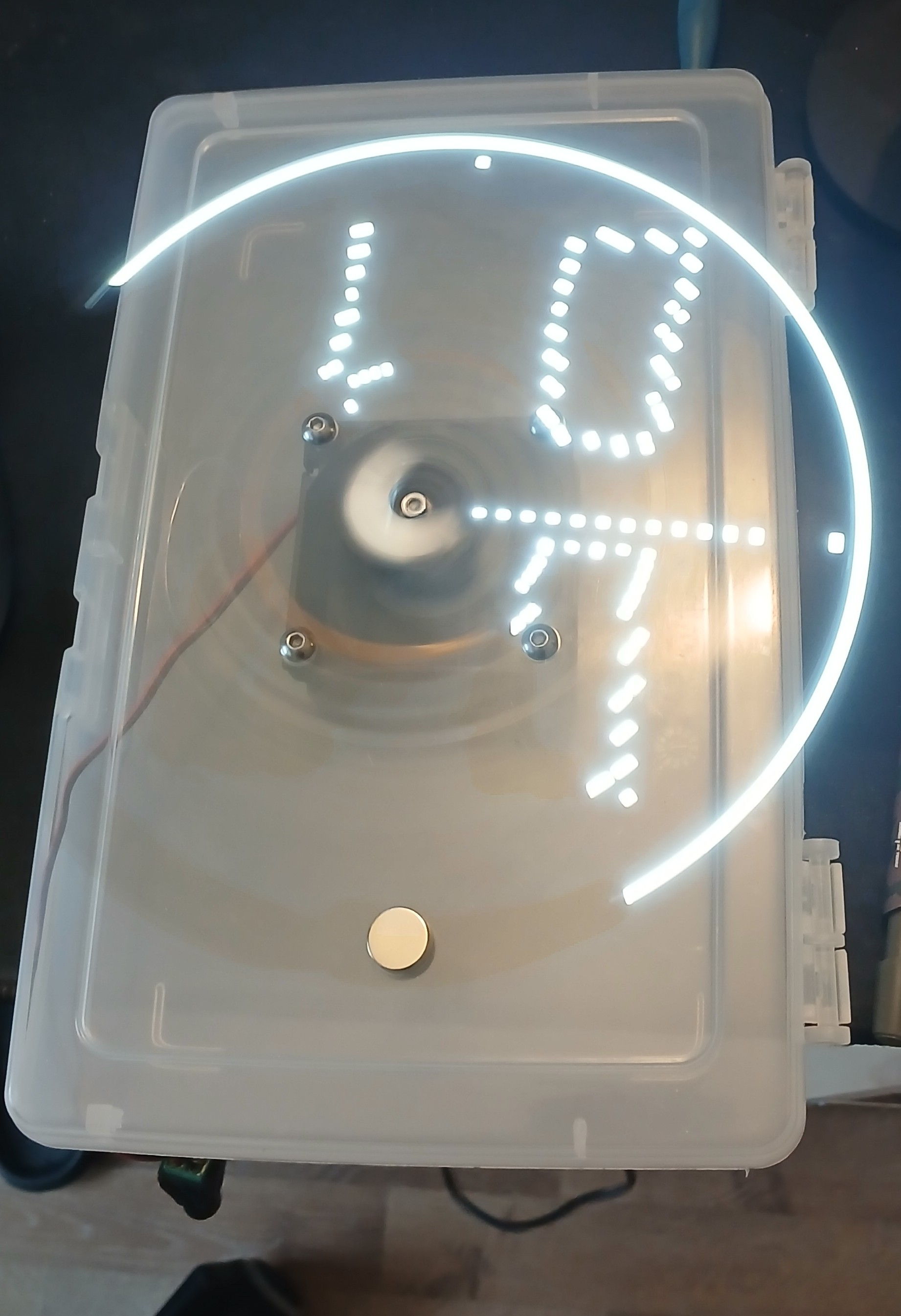
Here you can mine but as it is turning very fast it was complicated to get the full clock but you can see better exemple on the project main page bellow :)
Robotic State-of-Art 2024
During our specialization semester, we had to carry out a project for a company. The project was split into two parts: the first part was to research the state of the art of the project and present existing solutions on the market. This study was condensed into a report.
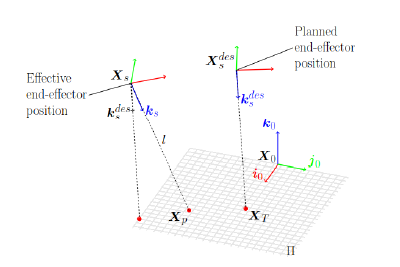
The project involved aiming with an arm embedded on a mobile base, specifically, a Leo Rover. We were responsible for the integration and simulation parts. In this report, we explored possible solutions that could be used in this project to point at a target (in the air) with the arm.
Source
Report (french)
AI hornet detection 2024
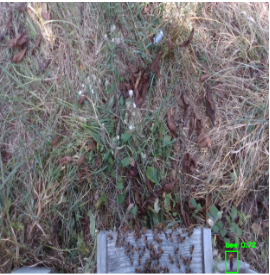
It was a small school project/hackathon over four days where we had to develop a complete solution based on AI, image processing, or both. We were only given video samples from a real system—a laser mounted on a beehive with a camera. We trained our AI and also proposed some alternative solutions.
Source
Source code (french)
Report (french)
Graph algorithm 2023
This short project aimed to develop well-known navigation algorithms like Dijkstra on famous problems such as the Traveling Salesman Problem. Our goal was to implement these algorithms and test their performance on concrete problems like drone navigation.

Source code and report (french)
Operations research 2023
Another project involved implementing the SIMPLEX algorithm on Lot-Sizing problems. The project had a theoretical part, which consisted of writing the MILP model, followed by implementing it in Python and then comparing the performance of different models.

Source code and report (french)
| ||
| E: [email protected]
| |